
In the United States, food banks distribute more than 5.9 billion meals a year to those experiencing food insecurity. With such an incredible impact, it is easy to ask where all of these meals come from. Learning where food banks get their food is one way to better understand their work in your community and how you can support them.
Community and Commercial Donations
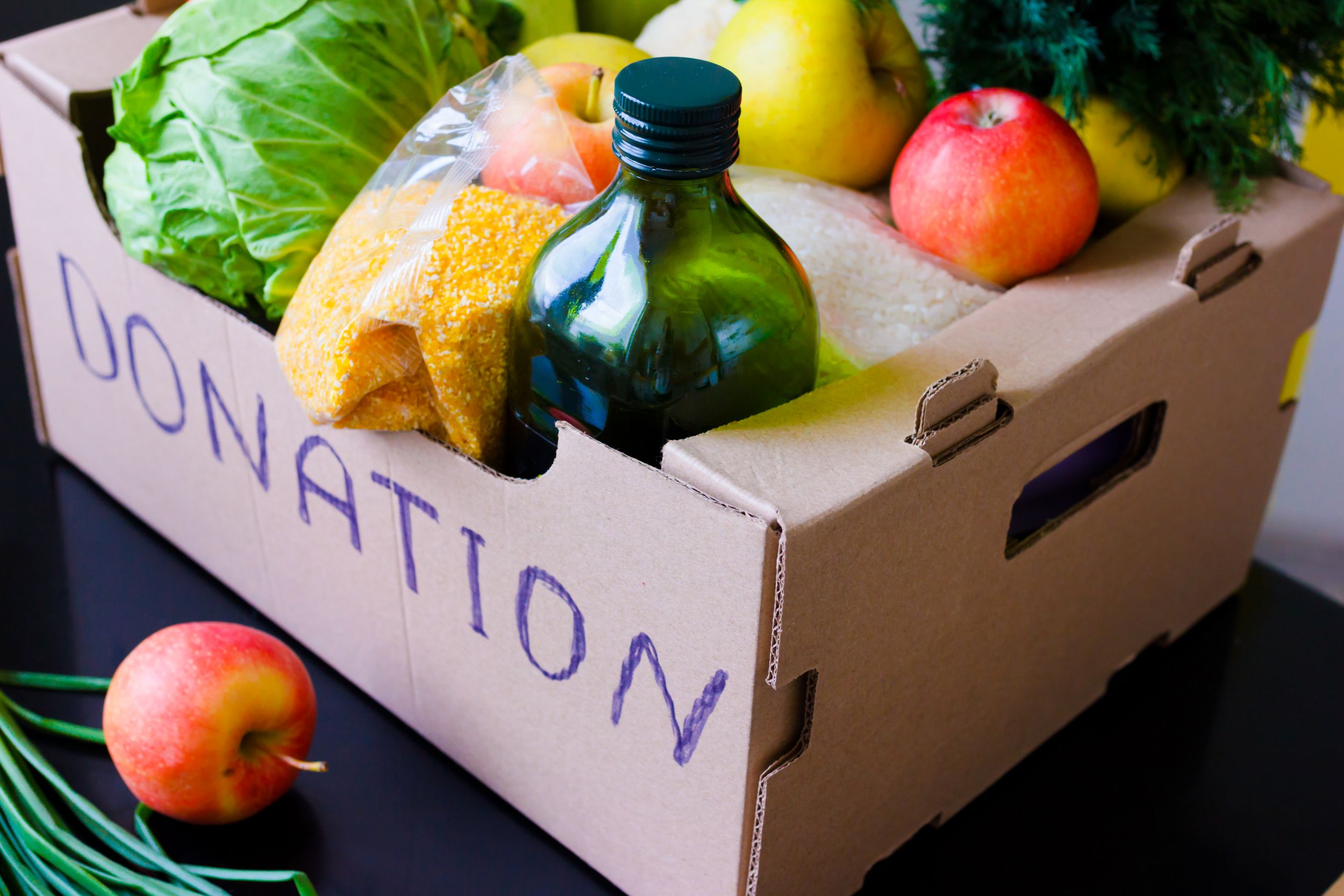
One of the most well-known ways food banks collect food is through community donations from food drives and other locally driven donation events. Community donations can also come from local growers and agricultural partnerships. Although food collected through food drives doesn’t make up the majority of a food bank’s total collection, each community-driven source of support is hugely beneficial. In addition, food banks collect commercial donations both locally and from national vendors or food producers. The types of food collected from each of these sources are distinct, and to provide a meaningful variety of food assistance, all community and commercial donations are essential.
Food Rescue Programs
Another important way that food banks get food is through food rescue programs. These programs collect food that would otherwise have been wasted and distribute it to community members in need through food banks or other outreach organizations. Food rescue programs collect excess food from grocery stores, farms, local businesses, restaurants, and sometimes even individuals and families with extra food. This process is also referred to as gleaning. Some food banks receive millions of pounds of food through food rescue partnerships. This food often includes perishable grocery items like produce and dairy products that are important nutritional additions to food boxes distributed by food banks, but can often be difficult or expensive to source from general community efforts.
Government Support
Federal nutrition programs such as The Emergency Food Assistance Program (TEFAP), the Commodity Supplemental Food Program (CSFP), and the Supplemental Nutrition Assistance Program (SNAP) work with food banks to help distribute food to those in need. These programs provide temporary benefits to low-income Americans, either by offering funds for groceries or by delivering packages to partner food banks for hunger relief. Whether the program supports those facing food insecurity financially or through donations provided by government funds, food banks benefit from the support. Food banks that work with federal programs are often reimbursed for some operating costs and can use these funds to purchase additional food. For many food banks, government support provides a notable amount of food, but donations from other sources represent the majority of food collected.
Food Banks Purchase Food
On occasion, food banks use donation funds to purchase food items. These purchases help to fill gaps in donations received through other sources. Purchases often make up the smallest source of food collected by food banks, but are an important way to ensure a healthy variety in the food that is distributed to communities in need. Food banks can buy in bulk, and often with a charitable discount, allowing them to turn a $1 donation into more than $7 worth of food in many cases.
Food banks are a vital source of nutrition and community support for millions of individuals and families in the United States. Learning where food banks get their food is just a snapshot of the complicated work they do to strengthen communities and improve the lives of those in need.