
Food banks are an essential source of support for individuals and families experiencing food insecurity. Despite their overwhelmingly positive impact on communities, there are some common myths surrounding food banks that can hinder their efforts to fight hunger. Luckily, these myths are easily debunked and can be used to learn more about the work food banks do to improve the lives of those in need.
Myth: Food Banks Only Distribute Shelf-Stable Items
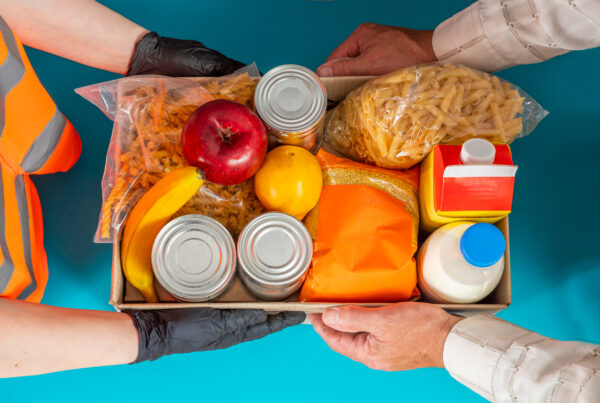
Although food banks often ask for donations of non-perishable food such as canned goods, they are also able to hand out fresh produce and dairy items. These fresh items are typically sourced from food rescue programs or commercial donations and are more difficult to provide consistently due to storage needs and a short distribution timeframe. Despite these challenges, food banks are able to offer a variety of food items to those in need, in addition to many non-food items. You may not know it, but food banks also distribute baby products, soaps, pet products, and more!
Myth: Food Bank Food Isn’t Healthy
Not only do food banks offer a variety of fresh and shelf-stable options, but many also invest in community education through nutrition classes or distribute information about how to make healthy meals with the ingredients provided in food boxes. Battling food insecurity is about more than just increasing access to food; it is also about providing access to nutritious food. Food banks collect food from many different sources to ensure that the needs of their community are met. This myth sometimes deters people from donating to food banks out of an incorrect assumption that they worsen the health of vulnerable populations or are not doing enough to address food gaps in the area.
Myth: Food Banks Get All Their Food From the Government
While food banks do benefit from some government programs, the vast majority of food they collect comes from other donation sources. Food banks are not run by government workers and rely on community support and volunteers to help those in need. The myth that food banks are heavily operated with federal funds makes it difficult for food banks to advocate for the support they need to thrive.
Myth: Food Banks Are Only For the Unemployed or Those Receiving Government Assistance
Anyone who needs extra help can visit a food bank. Food banks serve those in a variety of circumstances. Most food-insecure households include at least one working adult, meaning that employment status does not prevent food insecurity. In addition, 37% of all food-insecure people are above the threshold to receive SNAP benefits. Those in this situation may find that food banks are among the only resources available to them.
Myth: Food Banks Are Often Misused
The myth that food banks are often used by those who do not really need their services is one of the most damaging. Food banks are rarely misused and, in many cases, are actually underused by those who need them. Many people who visit food banks do so as a last resort and may feel shame or stigma. This myth contributes to those who visit food banks feeling as though they are taking resources from others, despite the reality of their own need.
Food banks are an important resource that strengthens communities and improves health and education outcomes for children in need. Myths like these make their work more difficult and can even prevent food-insecure individuals and families from getting assistance. Learning more about food banks and the incredible work they do is one way to combat these myths and support efforts to fight hunger in your community.