

Each year, 60 million tons of food are wasted in the United States. That means nearly 40% of the total food supply ends up in the trash instead of on the plates of those in need. To help reduce this extreme food waste, food rescue programs collect food that might otherwise be thrown away and distribute it to food banks or directly to families facing food insecurity.
What Does It Mean To Rescue Food?
Food rescue is the practice of collecting unwanted or surplus food and making sure it reaches those who need it. This process involves identifying safe and nutritious food that would otherwise go to waste, picking it up from donors, sorting and inspecting it, and finally distributing it through food banks or other local partnerships. Rescuing food not only helps to feed families in need it also helps reduce carbon emissions from landfills and ensure the resources used to produce the food are not wasted. These resources include things like packaging, water, and fuel used at each stage of the food preparation process.
What Kind of Food is Rescued?
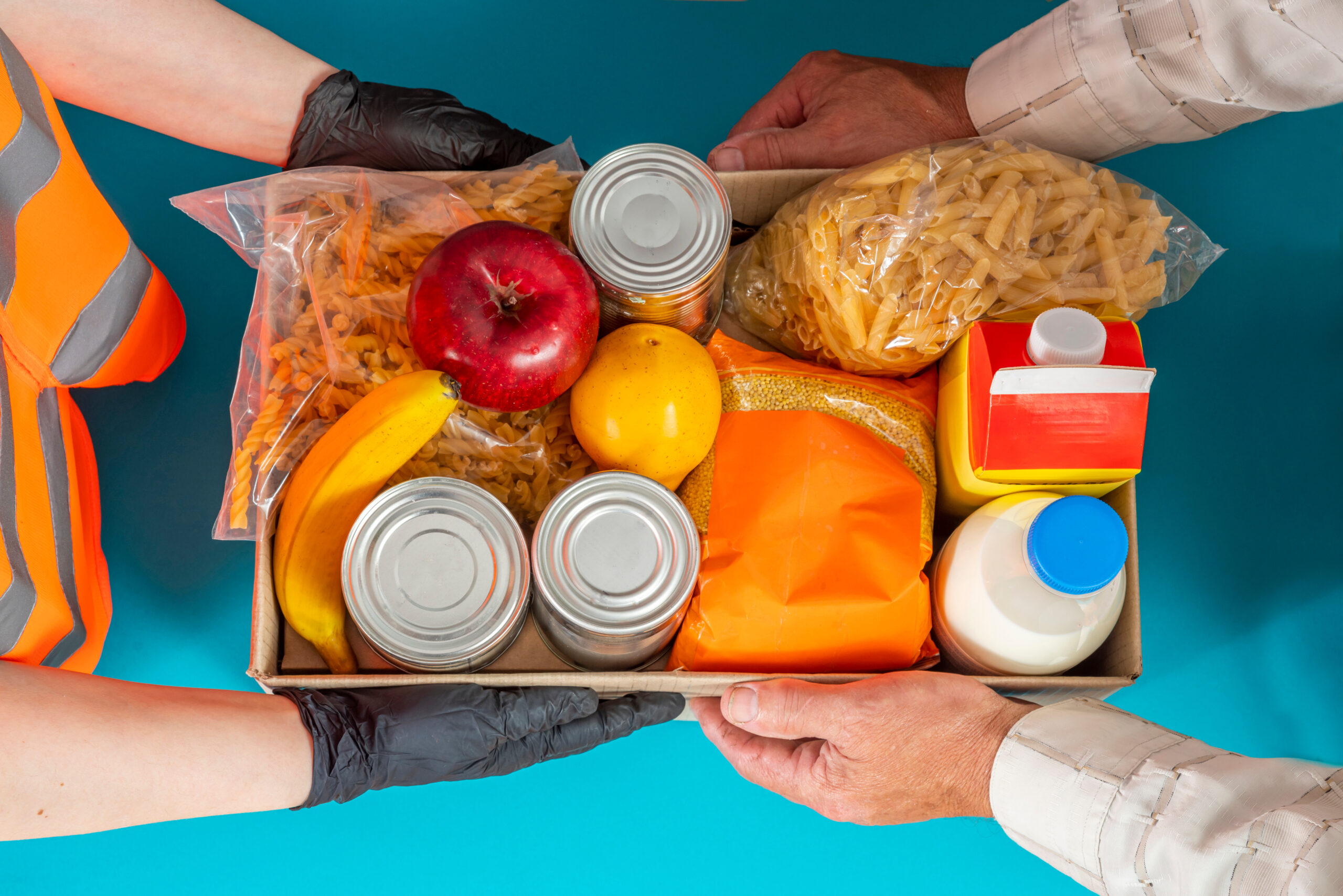
Food rescue programs look for food that is perfectly good but for a variety of reasons would otherwise be wasted. Oddly shaped produce, food approaching its sell-by date, overproduced food from farms or restaurants, and unappealing food from grocery stores are all candidates for food rescue. This food is generally collected from farms, grocery stores, and restaurants, but some food rescue programs also collect food from households and individuals. Food rescue programs can accept fresh produce and refrigerated items like dairy products that food banks are often unable to accept as donations from the public. Redistributing this food to those in need helps bridge nutrition gaps and address food insecurity.
How To Get Involved
Food rescue programs are an important source of support for food banks and other organizations combating food insecurity in your community. Donations often need to be collected within 24 hours to make use of food that is nearing its expiration date. While these programs provide an essential service, this timeline underscores the vital role of community support in their success. Donating food, volunteering, and getting others involved are all ways to aid your local food rescue programs. Connecting with these programs can help you learn more about the needs in your community.
Food rescue programs are a meaningful and practical solution to the mounting problem of food waste. With the support of local businesses, volunteers, and food banks, this rescued food helps fight hunger and provides essential nutrition and grocery items that would otherwise be out of reach.
The One Initiative unites C.R England and England Logistics in the fight to end childhood hunger. Learn more about work of the One Initiative at oneagainstchildhoodhunger.com.