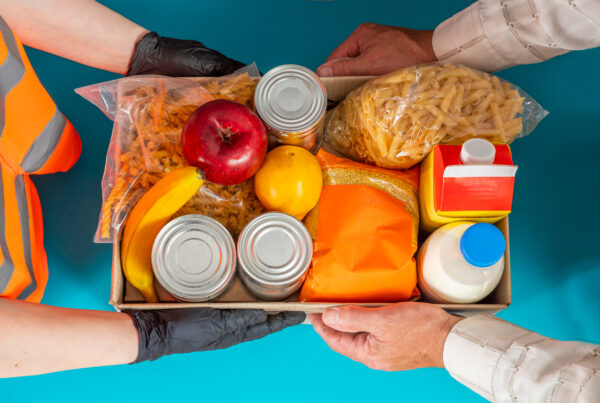



As fuel prices increase, so do the challenges faced by food banks. Recent spikes in fuel prices have affected food banks’ ability to serve communities in need. Diesel is an essential resource for food distribution, and a large portion of their operating costs goes to fueling the trucks needed to transport donations and prepare for community events. With fuel prices fluctuating, food banks are impacted more than you might expect.
Strain on Resources
More than 70% of all food shipments in the United States move by truck, making food one of the commodities most impacted by fluctuating diesel prices. Whether food is heading to a food bank or grocery store, it now costs more to get it there. For food banks, the extra cost puts a strain on already limited resources. More money at the pump means fewer meals for those in need. Feeding America estimates that spiking fuel costs could mean a difference of 28,000 meals a month for an individual food bank. In addition, increased fuel costs can mean an increase in the cost of groceries, further limiting the food that food banks can purchase and potentially disrupting donations from other sources.
Limited Distribution
Many food banks serve a large geographic area, meaning that the work they do to fight hunger depends on fuel. Some food banks travel hundreds of thousands of miles each year to deliver food to schools and distribution centers. An increase in fuel costs can leave some food banks unable to travel to more rural areas or unable to provide as many meals. For those who live in food deserts or are facing financial hardship, food bank deliveries are essential, and reduced support could mean going without meals.
Increased Demand
As fuel prices go up, food banks aren’t the only ones feeling the spike. All levels of the grocery supply chain are experiencing increased transportation costs and other obstacles that can result in businesses passing on costs to consumers. Increased food prices often mean an increased demand on food banks as food-insecure individuals and families work to fill the gap in their grocery budgets. This domino effect further strains food banks as they respond to these needs in their communities.
How to Help
Food banks depend on community support to keep their trucks on the road, especially during times of increased demand for their services. Volunteering, providing donations, and looking out for those in need in your community are all important ways to support food banks. Reaching out to volunteer groups or food bank workers in your area can help you find out what resources your community needs most.
The One Initiative unites C.R England and England Logistics in the fight to end childhood hunger. Learn more about work of the One Initiative at oneagainstchildhoodhunger.com.